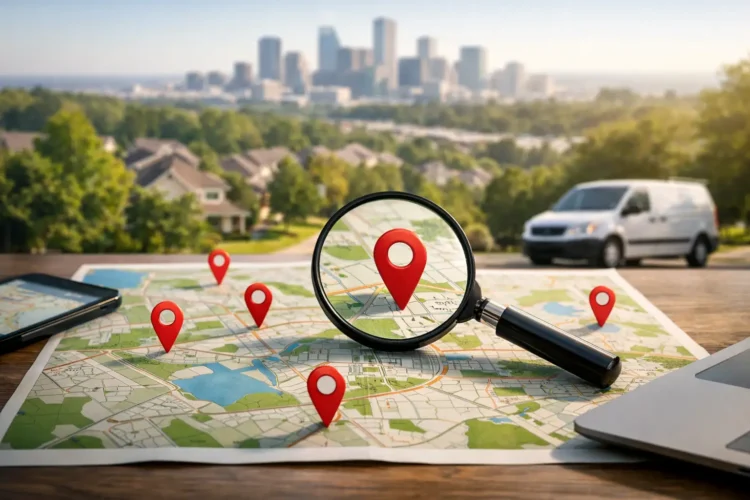





A paid search campaign brings 80 visitors to a plumbing company’s website. A Facebook ad generates 40 form submissions for a dental practice. An SEO page attracts hundreds of local searches for a roofing contractor. Those numbers may look encouraging, but they do not answer the question that matters most: which marketing activity produced real business?
That is what is conversion tracking designed to answer. It connects a meaningful customer action – such as a call, appointment request, purchase, or quote submission – to the marketing channel that helped generate it. Instead of making decisions based on clicks, impressions, or assumptions, business owners can see what is actually moving prospects closer to revenue.
What Is Conversion Tracking?
Conversion tracking is the process of recording desired actions people take after interacting with your website, ads, emails, social media, or other marketing. A conversion is not one universal event. It is any action your business has decided is valuable enough to measure.
For an e-commerce store, the primary conversion is usually a completed sale. For a Tampa law firm, it may be a qualified consultation request. A medical practice may care most about booked appointments, while a home service company may prioritize phone calls and estimate requests.
The tracking itself usually works through code placed on a website, an event set up in an advertising platform, a call-tracking number, or a connection between marketing systems and a customer relationship management platform. When a visitor completes the action, the system records it and sends the information back to the appropriate analytics or advertising platform.
The purpose is not simply to collect more reports. Good tracking tells you where your marketing budget is producing leads, which pages are helping visitors take action, and where the customer journey is breaking down.
The Difference Between Traffic and Conversions
Traffic is attention. A conversion is evidence of intent.
A campaign can generate thousands of website visits and still be unprofitable if visitors leave without calling, buying, scheduling, or submitting a form. Conversely, a smaller campaign that produces 15 high-quality leads may be far more valuable than a high-traffic campaign with no meaningful activity.
This distinction matters for businesses that operate on tight margins or serve a specific local market. A contractor does not need every homeowner in Tampa to click an ad. They need the right homeowners to request estimates. A law firm does not benefit from broad traffic if the inquiries are outside its practice areas. Conversion tracking gives marketing teams the feedback required to adjust targeting, messaging, landing pages, and budgets around outcomes rather than vanity metrics.
Which Actions Should Your Business Track?
The right conversion setup depends on how your business earns revenue and how long your sales cycle lasts. Start with the actions that indicate genuine buying interest, then separate those from low-value engagement signals.
For many service businesses, the most useful primary conversions include completed contact forms, phone calls of meaningful duration, appointment bookings, quote requests, live chat conversations, and online payments. E-commerce businesses should track purchases, revenue, checkout completion, and sometimes repeat purchases.
There are also secondary conversions that can help diagnose the path to a lead. These may include newsletter signups, downloads of a service guide, clicks on an email address, directions requests, or visits to a financing page. These actions have value, but they should not be treated as equal to a completed sale or qualified lead.
For example, a click on a “Call Now” button is helpful to record, but it does not confirm that the call happened or that it led to a conversation. Tracking both the click and the actual call provides a clearer picture.
How Conversion Tracking Works Behind the Scenes
Most conversion tracking begins with an event. An event occurs when a visitor takes a specific action, such as reaching a thank-you page after submitting a form or clicking “Book Appointment.”
A developer or marketing team defines that event and places the required tracking code on the site or configures it through a tag management tool. The event can then be sent to platforms such as Google Analytics, Google Ads, or paid social advertising systems. If a person clicked an ad and later converted, the platform can attribute that result to the campaign based on its measurement rules.
The technical details matter. A form conversion, for instance, should fire only after a successful submission. If it fires when someone merely clicks the submit button, it may count errors, duplicate submissions, or abandoned forms as leads. That creates inflated reporting and can cause automated ad campaigns to optimize for the wrong behavior.
Call tracking has similar requirements. Dynamic number insertion can show different phone numbers to visitors from different channels, allowing your team to identify whether calls came from organic search, paid ads, or a referral source. However, the implementation must preserve local trust signals and work properly across mobile and desktop devices.
For businesses using a CRM, the strongest setup often continues beyond the website. A lead can be marked as qualified, scheduled, sold, or closed. Connecting those downstream outcomes to the original source helps reveal whether a campaign produces revenue, not just inquiries.
Why Accurate Tracking Changes Marketing Decisions
Without reliable conversion data, marketing decisions often follow the loudest metric. A campaign with a low cost per click may appear efficient, even when those clicks rarely become customers. An agency may report a large increase in web traffic while the sales team sees no improvement in lead quality.
Accurate tracking changes the conversation. It allows a business to compare the cost per lead, lead quality, cost per appointment, and eventually cost per customer across channels. That makes it easier to answer practical questions:
- Should more budget go to Google Ads or local SEO?
- Which service pages need stronger calls to action?
- Are mobile visitors struggling to complete a form?
- Do leads from one campaign actually close?
The answers are rarely permanent. Search demand changes, ad costs move, seasonality affects service businesses, and a new landing page can shift performance. Tracking gives your team a dependable baseline for testing and improvement instead of relying on guesswork.
Common Conversion Tracking Problems
A tracking system can look active and still deliver misleading data. One common problem is duplicate conversions, where a form submission is recorded twice because tags were installed in more than one place. Another is missing conversions caused by broken thank-you pages, JavaScript errors, blocked scripts, or a redesigned website that did not preserve its event setup.
Lead quality is another major issue. If every form submission is counted as a success, spam, job applications, vendor pitches, and unqualified inquiries can make a campaign appear healthier than it is. Businesses should review leads alongside platform data and, when possible, feed qualified-lead or closed-sale information back into their reporting.
Privacy requirements also affect the approach. Consent preferences, browser restrictions, and changing data policies can limit the information available from individual users. That does not make measurement impossible, but it does mean businesses should use properly configured consent tools, first-party data, and practical reporting expectations. No platform can provide perfect attribution in every circumstance.
Building a Tracking Setup That Supports Growth
A useful conversion tracking plan starts before any code is added. Define what a good lead looks like, what actions signal progress, and where your team records the final outcome. Then map the customer journey from first visit to sale.
For a local HVAC company, that journey might include a Google ad click, a service-page visit, a phone call, a dispatcher booking, and a completed job. Tracking only the ad click misses nearly all of the business value. Tracking the booked call and completed job gives the company better information for advertising decisions.
This is where technical execution and marketing strategy need to work together. The website must load correctly, forms must pass data reliably, call tracking must be configured thoughtfully, and reporting must match the way the business actually sells. Mindful Coding Solutions approaches this work as both a marketing and systems problem, because a great campaign cannot compensate for unreliable measurement.
What to Review Each Month
Conversion tracking is not a one-time installation. Review the data monthly with the people who handle sales or customer intake. Compare reported conversions with the leads they actually received, identify which sources produce qualified opportunities, and investigate sudden changes before shifting budgets.
Pay close attention to trends rather than one isolated week. A short drop may reflect weather, holidays, or a temporary tracking issue. A sustained decline in form completions could point to a technical problem, weaker traffic quality, or a page that no longer matches search intent.
The goal is straightforward: make every marketing decision easier to defend with evidence. When your business knows which actions lead to real customers, it can invest with more confidence, fix weak points faster, and build growth on numbers that mean something.